Ara fa uns dies, en aquest mateix blog (i en el meu blog professional, www.pgpsi.com) publicava un post sobre les tecndències per al 2011, a nivell de Tecnologies de la Informació per a les empreses (2011 IT Trends for Business and Companies).
En aquell cas, era un recull del que proposen diferents mitjans i ‘experts’.
Avui, primer dia del nou any, 2011, volia fer un repàs als que, al meu entendre, han estat 5 fets destacables del 2010, també a nivell de tecnologies de la informació.
No és un repàs exhaustiu ni pretèn ser ‘objectiu’.
És el meu humil parer, òbviament
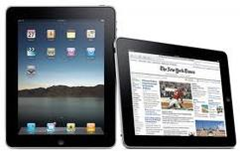
- En primer lloc, no podem obviar el nou gadget d’Apple: l’iPad. O com dic jo, la redescoberta dels “tablets” (fa anys que existeixen els windows tablets).
Amb la sortida al mercat de l’iPad d’Apple (que un cop mes ha triomfat) hem descobert/redescobert que hi ha maneres d’interacccionar amb els ordinadors, cada vegada mes naturals.
Mes enllà del teclat i del ratolí, l’ús, amb les nostres pròpies mans (i dits), amb una interfície àgil, clara, senzilla i pràctica, ens facilita l’accés a tot un món, Internet, sobretot, des d’on siguem.
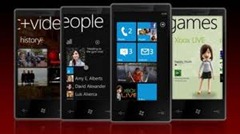
- Ara fa unes poques setmanes, Microsoft llençava al mercat la seva nova versió de sistema operatiu per mòbils, el Windows Phone7.
He tingut ocasió de treballar-hi, dia a dia, des de llavors, i d’utlitzar-ho, tant a nivell professional com personal i cal reconèixer que ha estat un pas endavant important i significatiu.
I lligant-ho amb el punt anterior, un pas mes, en usabilitat, facilitat d’accés a la informació del teu entorn (xarxes socials, agenda professional, personal, …).
Tant un cas (iPad) com l’altre (Windows Phone 7) no deixen de ser la consolidació d’un fenòmen que ja fa uns anys que estem interioritzant: la importància de la mobilitat.
- I el que està cridat a ser un dels regals estrelles d’aquest nadal, la Kinect, el dispositiu de la Xbox que permet que puguis interactuar amb la teva videoconsola sense necessitat de cap comandament. El teu cos és el comandament.
És l’extrem del que anomenen “Natural User Interface”, és a dir, la manera mes natura d’interactuar amb un ordinador-aparell.
Tots recordarem la pel.lícula “Minority Report”, amb el Tom Cruise, oi? Doncs bé, la manera d’interactuar amb el sistema ja és possible, però inclús sense guants.

- Cloud Computing. O la informàtica als núvols.
No és un concepte nou. Fa anys que existeix, però sí que podríem dir que en el 2010 s’ha popularitzat, que no vol dir estès.
De fet, tots estem treballant continuament amb aplicacions en mode ‘serve’ o ‘cloud computing’.
On tenim l’aplicació del GMail o del Hotmail? On estan instal·lades les xarxes socials (Facebook, Twitter,…)?
Entorns com Live o Google Docs / Google Sites / Google Apps,…, ens permeten de treballar amb aplicacions ofimàtiques que no són als nostres ordinadors.
Podem emmagatzemar documents, arxius, informació vària, en discs durs virtual (DropBox, Zumodrive,…) que estan disponible on no sabem on.

- I finalment, el creixement continuat de les xarxes socials. Facebook segueix augmentant els seus usuaris (500 milions en aquest 2010), a ritmes accelerats.
Twitter s’ha popularitzat.
LinkedIn, xarxa social professional, s’amplia dia a dia.
I apareixen noves aplicacions que exploten la ‘geolocalització’ com FourSquare, per exemple.
Les empreses es van adonant de la importància d’aquestes xarxes socials i està apareixent, el que jo anomeno, la ‘Factura Digital 2.0”: els que hi són i els que no hi són.

Segur que podríem trobar molt altres elements destacats.
Permeteu-me, però, que, simplement, contribueixi amb aquest 5 a la llista.
Voleu afegir-ne algun mes?
Què creieu que hauria de sortir en aquesta llista?


